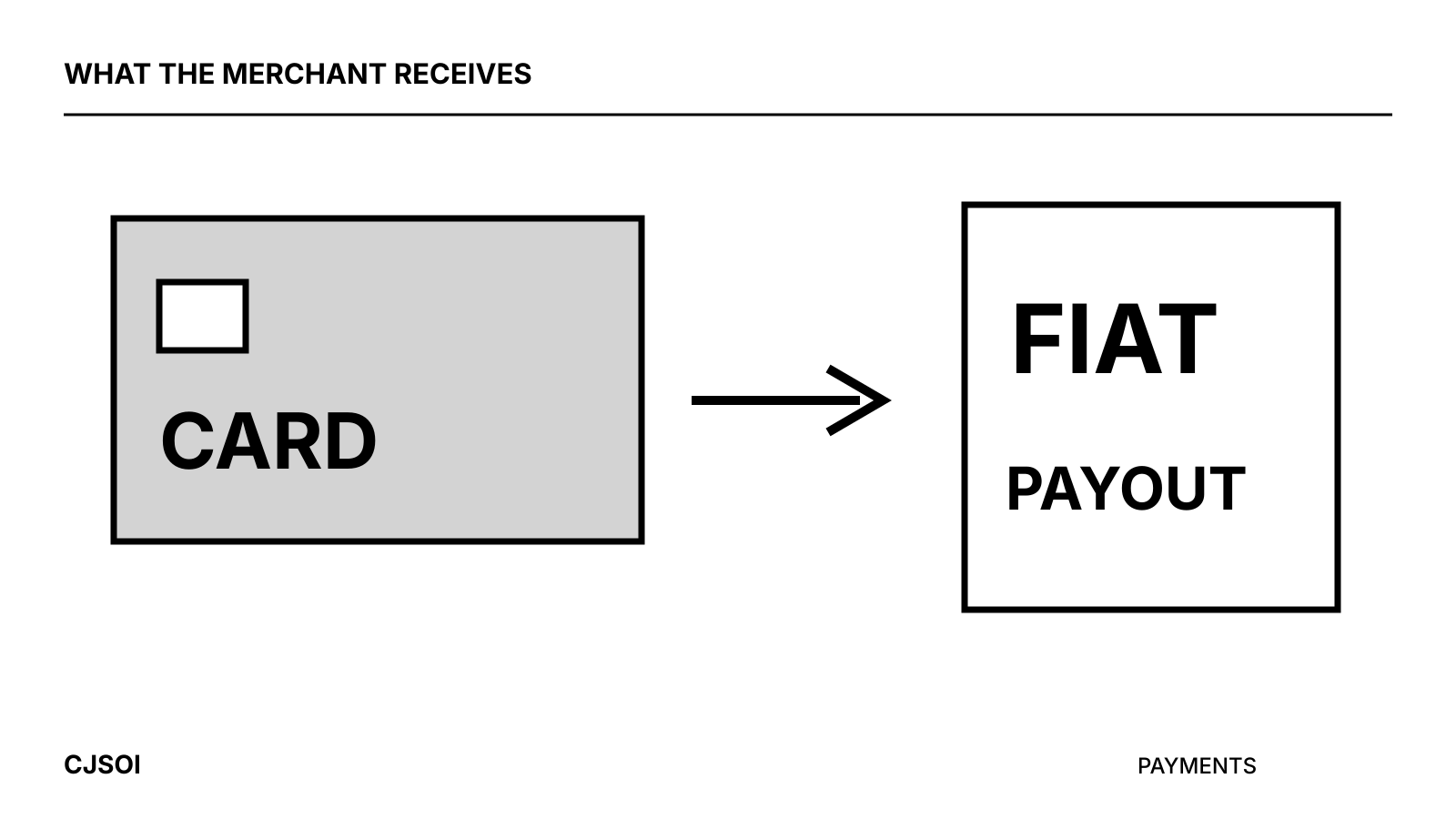
A crypto card can let a customer spend against a token balance while the merchant receives a conventional card payment. The asset used to fund spending and the asset used to settle with the merchant do not have to be the same.
That is why “paying with crypto” can describe several different arrangements. The checkout experience may look familiar even when the issuer’s funding and settlement process has changed.
Authorization answers the spending question
When a card purchase is submitted, the program needs to determine whether it can approve the amount. A stablecoin-linked setup can check available balances and reserve or convert funds according to its design.
Authorization is the decision to approve the purchase. It is not identical to the later process of clearing and settling obligations between the participating institutions.
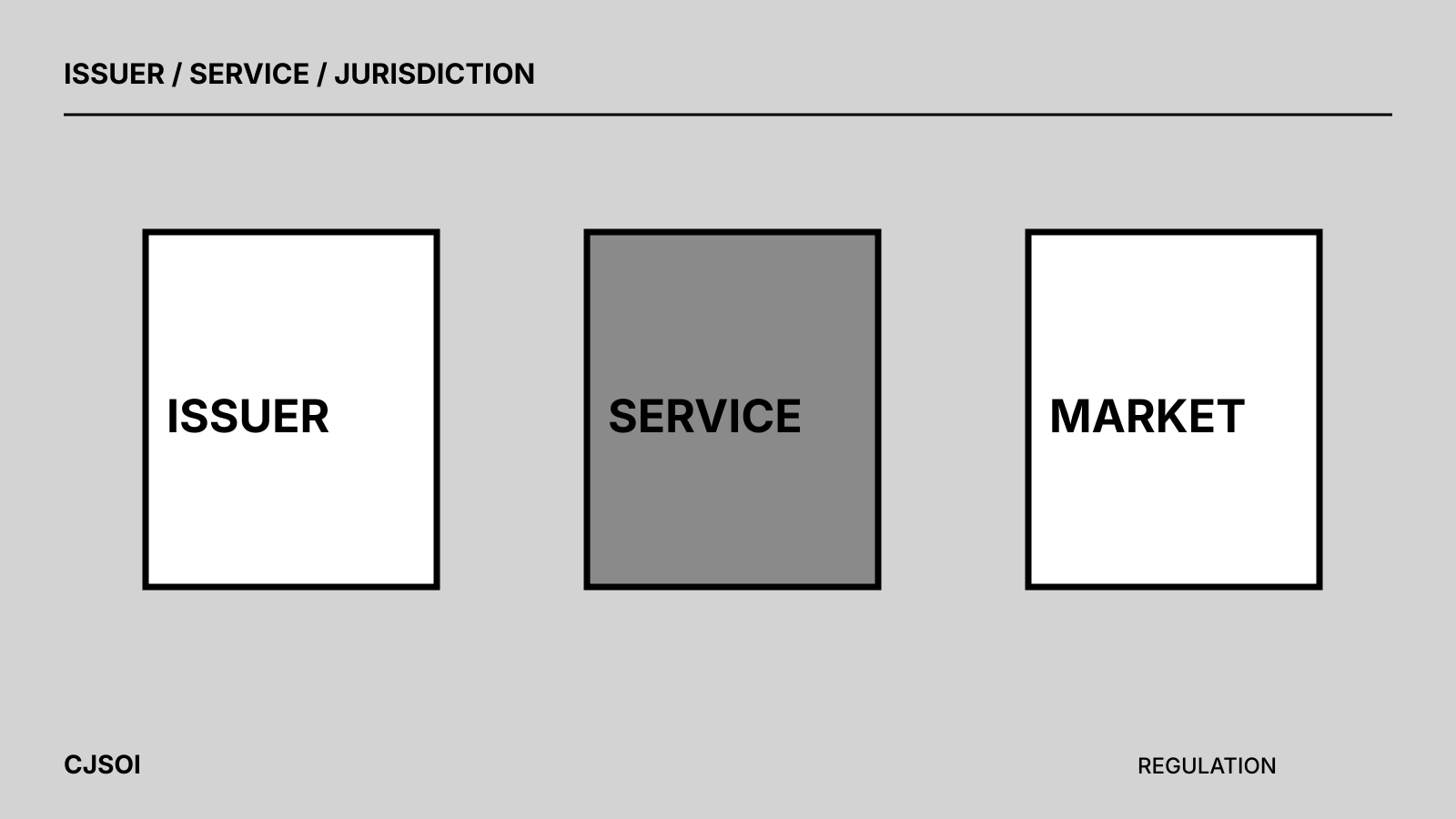
Visa’s explanation of stablecoin-linked cards separates these stages and describes different ways stablecoins can support them.
Conversion can happen in different places
One model converts the customer’s stablecoin funding into fiat before the issuer settles its obligations through the card network. Another allows supported stablecoins to be used in settlement with the network, while a conversion still supports the merchant’s fiat payout.
These are infrastructure models, not a guarantee about a particular card. Individual programs determine supported assets, conversion pricing, fees and the conditions under which a balance can be used.
The distinction also prevents a common misunderstanding: a merchant accepting an ordinary card transaction does not necessarily operate a crypto wallet or agree to hold a stablecoin.
Stablecoin settlement is behind the checkout
Visa’s 2023 settlement announcement described pilots involving USDC, merchant acquirers and supported blockchains. It concerned how funds move between institutions for card transactions—not a requirement that every consumer send tokens directly to a shop.
A newer stablecoin settlement arrangement should be read the same way. Ask which party sends tokens, which party receives them and how the merchant is ultimately credited.
A headline about a network’s global reach does not establish that a particular card program is available to every customer in every country.
Fees and refunds still need product terms
A card funded by tokens may involve conversion spreads, program charges or withdrawal-related costs outside the purchase itself. “Stablecoin-linked” does not mean that every transaction has no fee.
Refunds are another separate question. The program’s terms determine how a reversed purchase is credited and in which asset. Do not assume that a refund recreates the exact token position the customer held before the purchase.
Our cross-border payment cost guide explains why the final usable amount is a better comparison than a single advertised fee.
Questions
Does the merchant receive the customer’s tokens?
Not necessarily. Many arrangements preserve a fiat merchant payout.
Is authorization the same as settlement?
No. Approval of a card purchase and settlement of the resulting obligations are separate stages.
Can all card programs use the same stablecoin network?
No. Support depends on the issuer, program and settlement arrangement.
Sources
Visa on stablecoin-linked cards; Visa’s USDC settlement announcement.