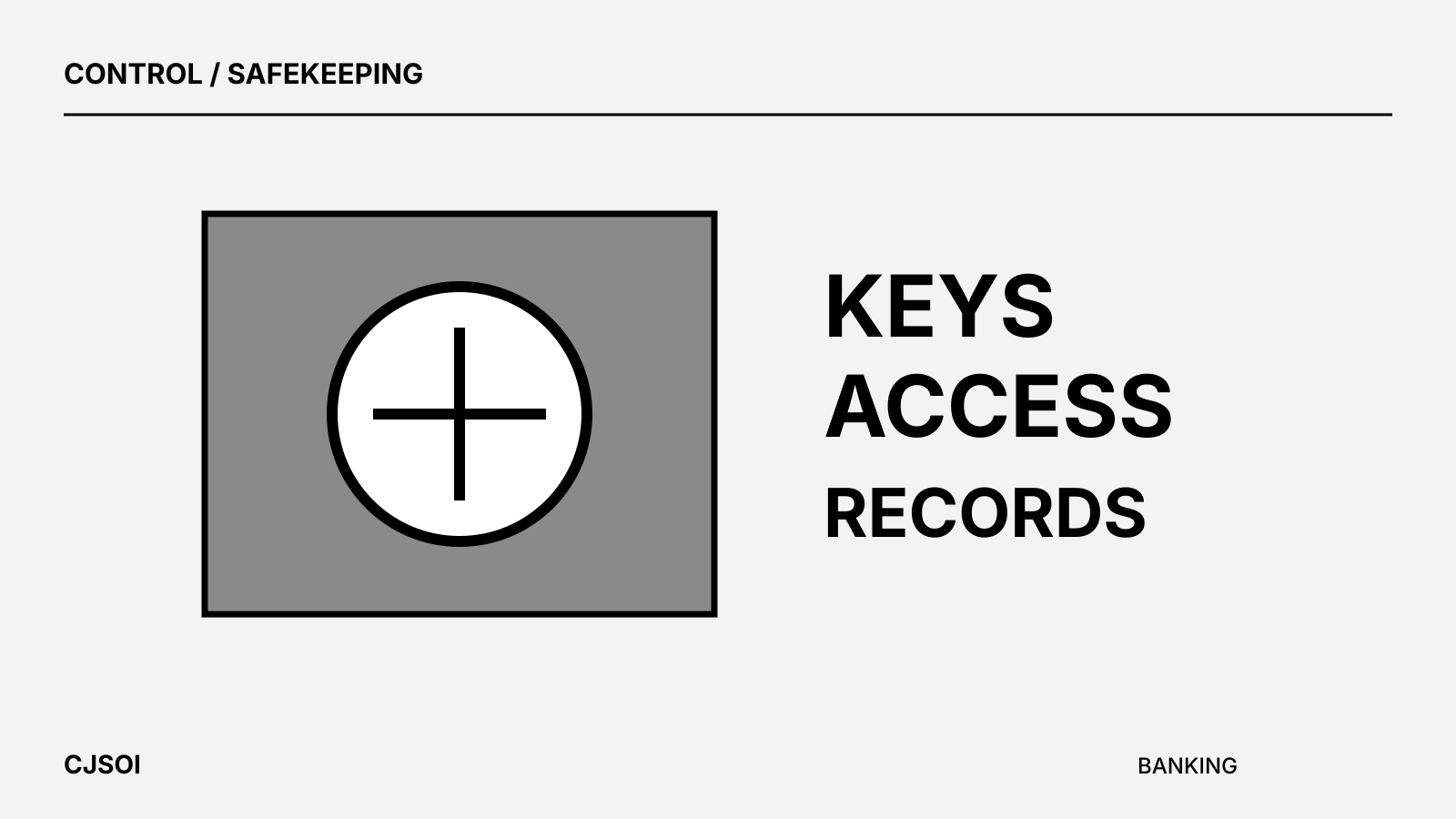
Digital-asset custody is a service for safeguarding assets and administering the authority to move them. With blockchain assets, that includes how transaction signing is controlled, how client holdings are recorded and how instructions are approved.
A bank offering custody is not necessarily issuing the asset, guaranteeing its value or treating it as a bank deposit. Those are separate relationships.
Holding an asset and authorizing a transfer
A token balance is recorded on a network. Control over a signing key, or over an arrangement that can produce an authorized signature, can determine whether that balance moves.
A custody system therefore needs more than storage. It needs a way to connect a client’s instruction with the correct asset and destination, approve the instruction and retain a reliable record. Multiple approvals or separated signing controls can be part of the design; the actual setup varies by custodian.
The client also needs a clear answer about access. Can the custodian act alone? Can it pause withdrawals? What happens if a signer or service provider becomes unavailable? A label such as “institutional custody” does not answer those questions on its own.
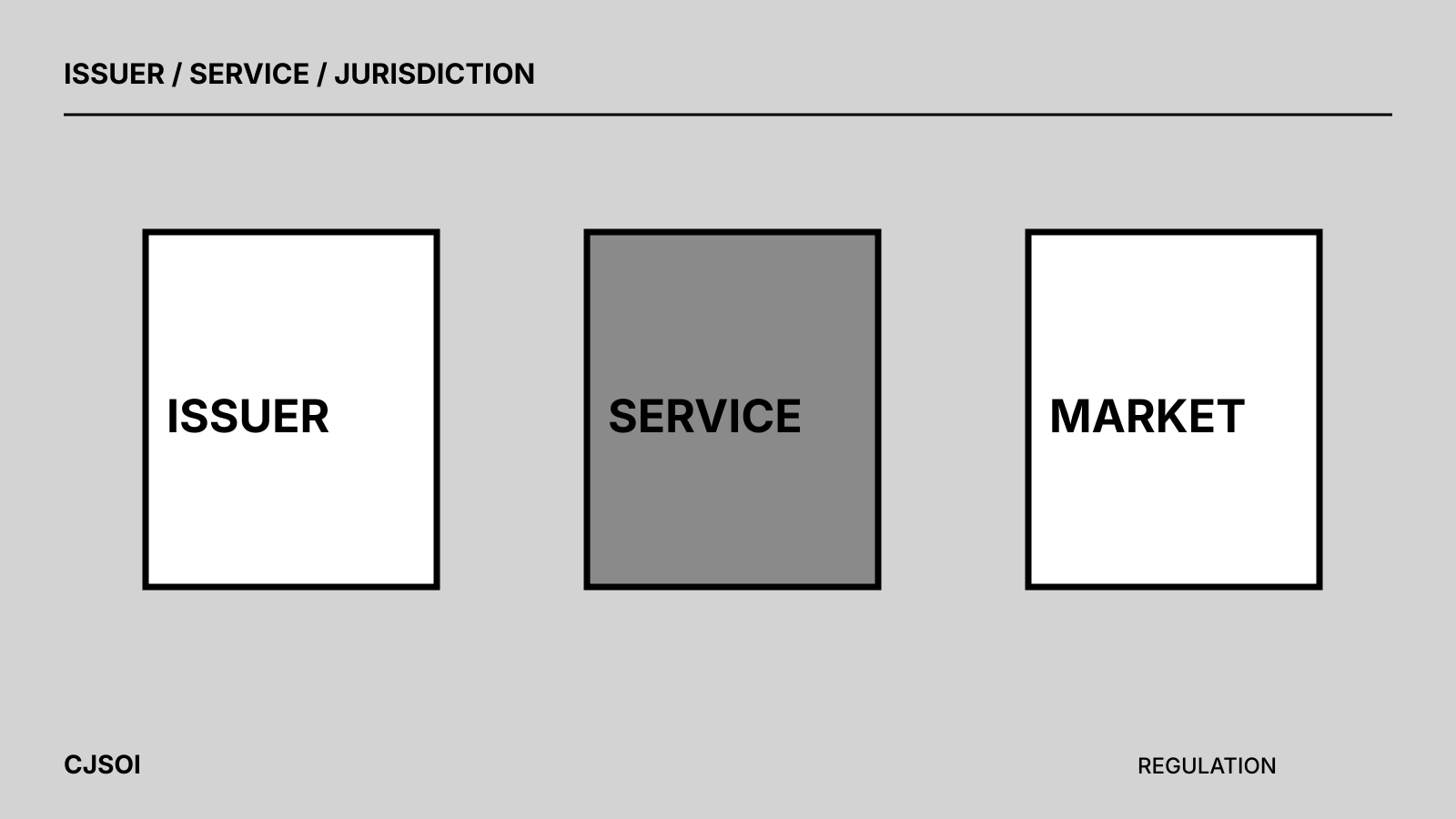
The U.S. permission has a defined scope
The U.S. Office of the Comptroller of the Currency’s Interpretive Letter 1184, dated May 7, 2025, addresses national banks and federal savings associations. It confirms that banks in that perimeter may provide crypto-asset custody and execute purchases or sales at a customer’s direction in connection with custody.
The letter also addresses outsourcing to third-party providers, subject to appropriate risk management and applicable requirements. It does not say that every bank in every jurisdiction may offer any crypto service without conditions.
Nor does a custody permission establish that a crypto asset has deposit insurance. The regulatory permission concerns the bank’s activity; the customer’s asset and contractual protections require their own assessment.
Outsourcing leaves questions for the bank
A bank can use a specialist sub-custodian or technology provider. That makes the chain of responsibilities important. The customer should be able to understand which party keeps records, which party operates signing infrastructure and who handles an incident.
The OCC letter emphasizes appropriate third-party risk management and controls. A service being outsourced does not make the risks disappear from the bank’s decision.
What to look for in a custody description
Useful product documentation explains asset support, account structure, approval controls, reporting and withdrawal procedures. It should distinguish segregated records from claims about how assets are held, and explain recovery arrangements without exposing operational secrets.
Custody also differs from a wallet whose owner controls signing directly. For that comparison, read who controls a smart wallet.
Questions
Does custody mean the bank guarantees the token’s price?
No. Safekeeping and market-value guarantees are different services.
Can a bank use a sub-custodian?
The OCC letter permits outsourcing within its U.S. supervisory scope, subject to risk management and applicable requirements.
Is a custody account necessarily an insured deposit?
No. Do not transfer assumptions about a cash deposit to a crypto custody product.
Sources
OCC Interpretive Letter 1184; Ethereum account-abstraction overview.