The UK and U.S. governments published a joint stablecoin statement on July 14, setting out shared principles for reserves, redemption and cross-border activity. The document is part of the Transatlantic Taskforce for Markets of the Future, established in September 2025.
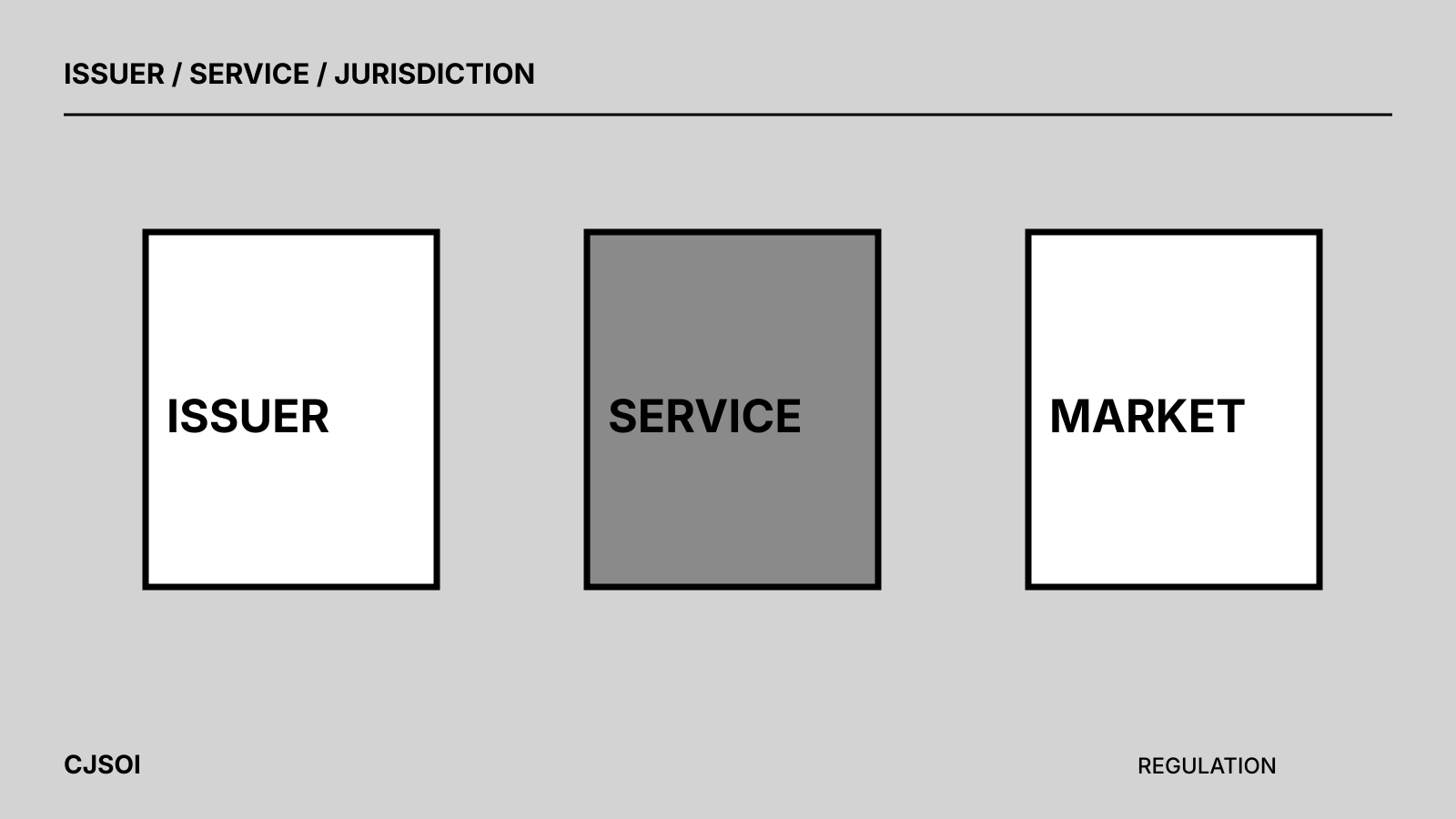
The statement aims to encourage convergence where the governments consider it appropriate. It does not create a single transatlantic stablecoin license or automatically open either market to every issuer from the other.
Reserves and redemption are common ground
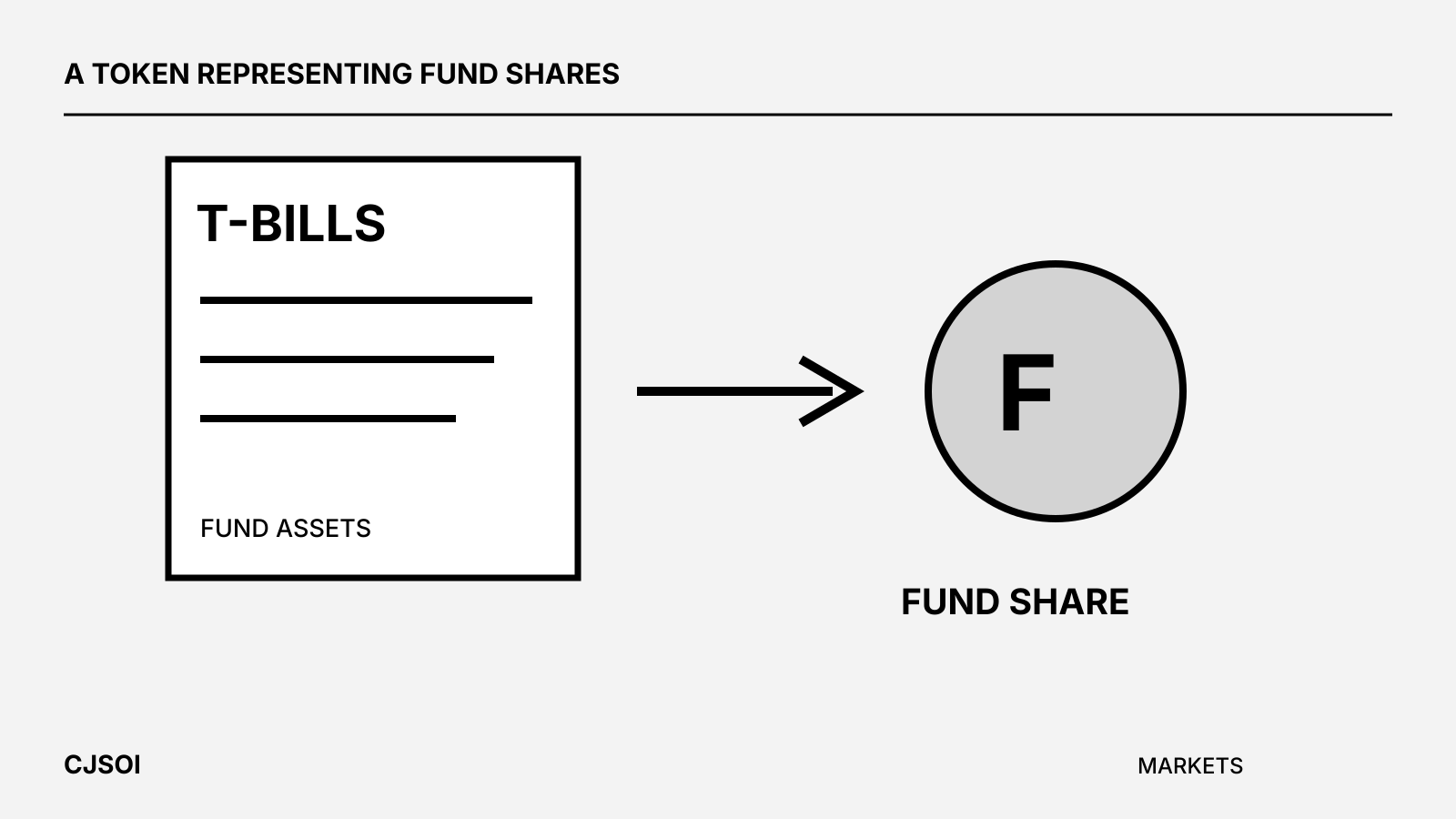
Both governments say stablecoins presented as money should have at least one-for-one backing by high-quality, liquid assets. Each jurisdiction’s own framework would define which reserve assets qualify.
The statement also supports segregation of reserves from an issuer’s own funds and clear disclosure of holders’ legal rights. It calls for timely redemption and protection of holders’ claims if an issuer fails, consistent with the relevant jurisdiction’s law.
Those principles concern different stages of a stablecoin’s life. Reserve quality matters during ordinary operation; redemption terms matter when users want their money back; insolvency treatment determines what happens if normal operations cannot continue.
Agreeing on these objectives does not mean the final rules, eligible assets or legal mechanisms are already identical in both countries.
Cross-border access remains a policy project
The governments intend to explore pathways for stablecoins issued in one jurisdiction to access the other’s market. The text expressly makes that work subject to domestic laws, regulations and processes.
It also seeks to avoid unnecessarily fragmented reserve arrangements or disproportionate requirements that impede competition. At the same time, it preserves the stated goals of financial stability, consumer protection and confidence in money.
The statement recognizes multiple forms of digital money, including stablecoins and tokenized deposits. It therefore does not select one private instrument as the only acceptable way to modernize payments.
For issuers and payment firms, the document signals a direction for cooperation. Actual eligibility, supervision and market access will depend on the rules and decisions that implement those principles.