A Securities and Exchange Commission interpretation on crypto assets took effect on March 23, alongside related guidance from the Commodity Futures Trading Commission. The document explains how the agencies intend to apply existing federal law to specified assets and transactions.
The Federal Register publication covers digital commodities, collectibles, tools, stablecoins and digital securities. It also addresses investment contracts and activities including protocol mining, staking, wrapping and airdrops.
The token and the transaction are different questions
The SEC distinguishes a crypto asset’s own characteristics from the arrangements through which it is offered or sold. An asset that is not itself a security can still be involved in an investment contract, depending on the representations and promises around the transaction.
The interpretation says it does not replace the Supreme Court’s Howey test. It explains the Commission’s view of how that test applies in the situations discussed.
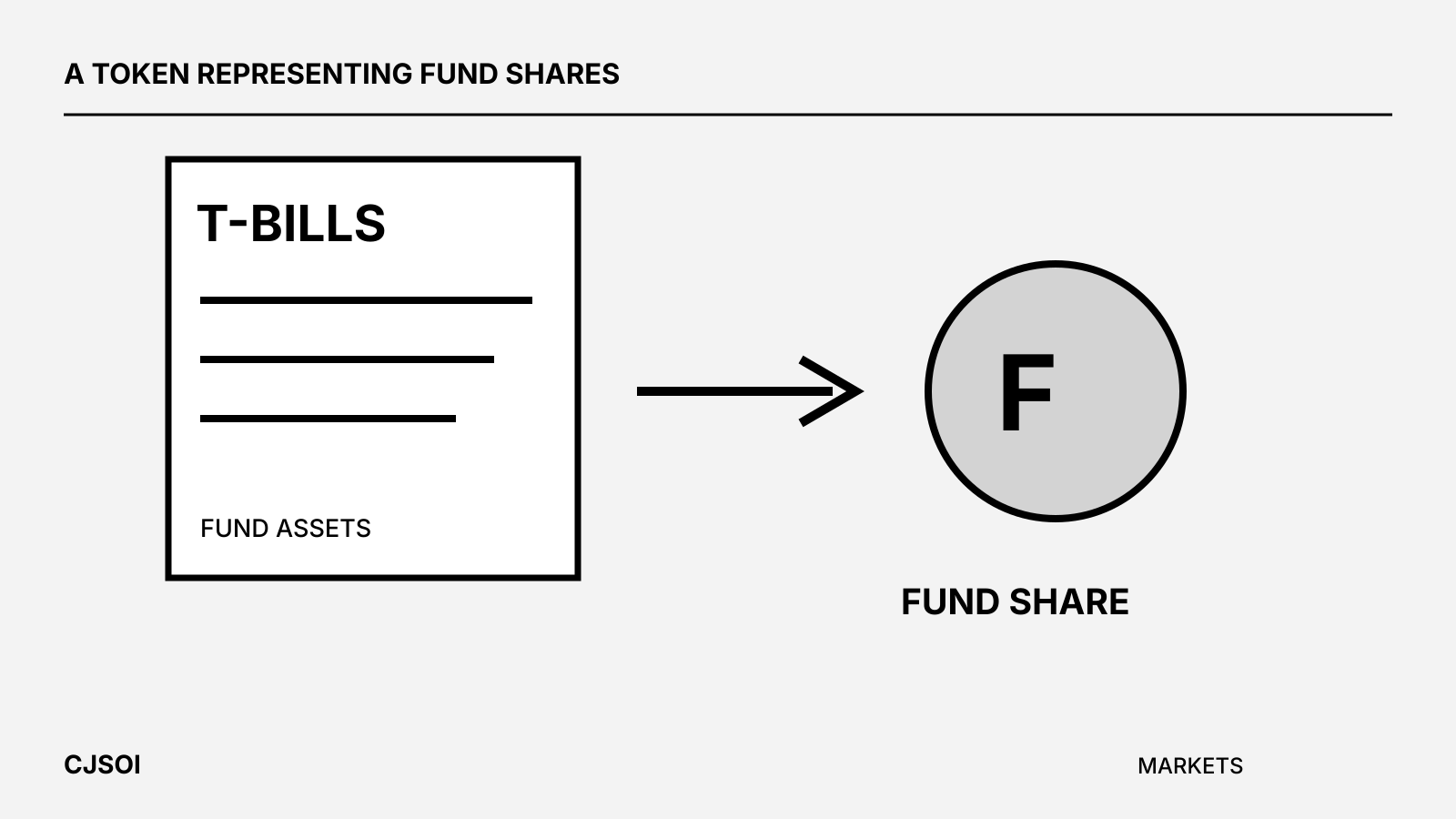
Tokenization also does not remove securities status. A share or other security remains subject to the relevant framework when ownership records move onto a blockchain. The rights attached to a token must be examined, particularly when a third party issues a separate instrument linked to an underlying security.
Stablecoin treatment has defined boundaries
The document discusses the GENIUS Act’s exclusion for payment stablecoins issued by permitted issuers, while noting that the Act is not yet effective at the time of this interpretation.
For the intervening period, the Commission adopts a position on the specified category described as Covered Stablecoins. It does not extend that conclusion to every product marketed as a stablecoin.
That limited scope matters for tokens with different reserve arrangements, economic rights or yield features. A dollar reference in the name is not enough to establish identical treatment.
The document also states that the agencies’ respective statutory authorities are unchanged. It is an interpretation and related guidance within existing law, not a blanket exemption for crypto markets.