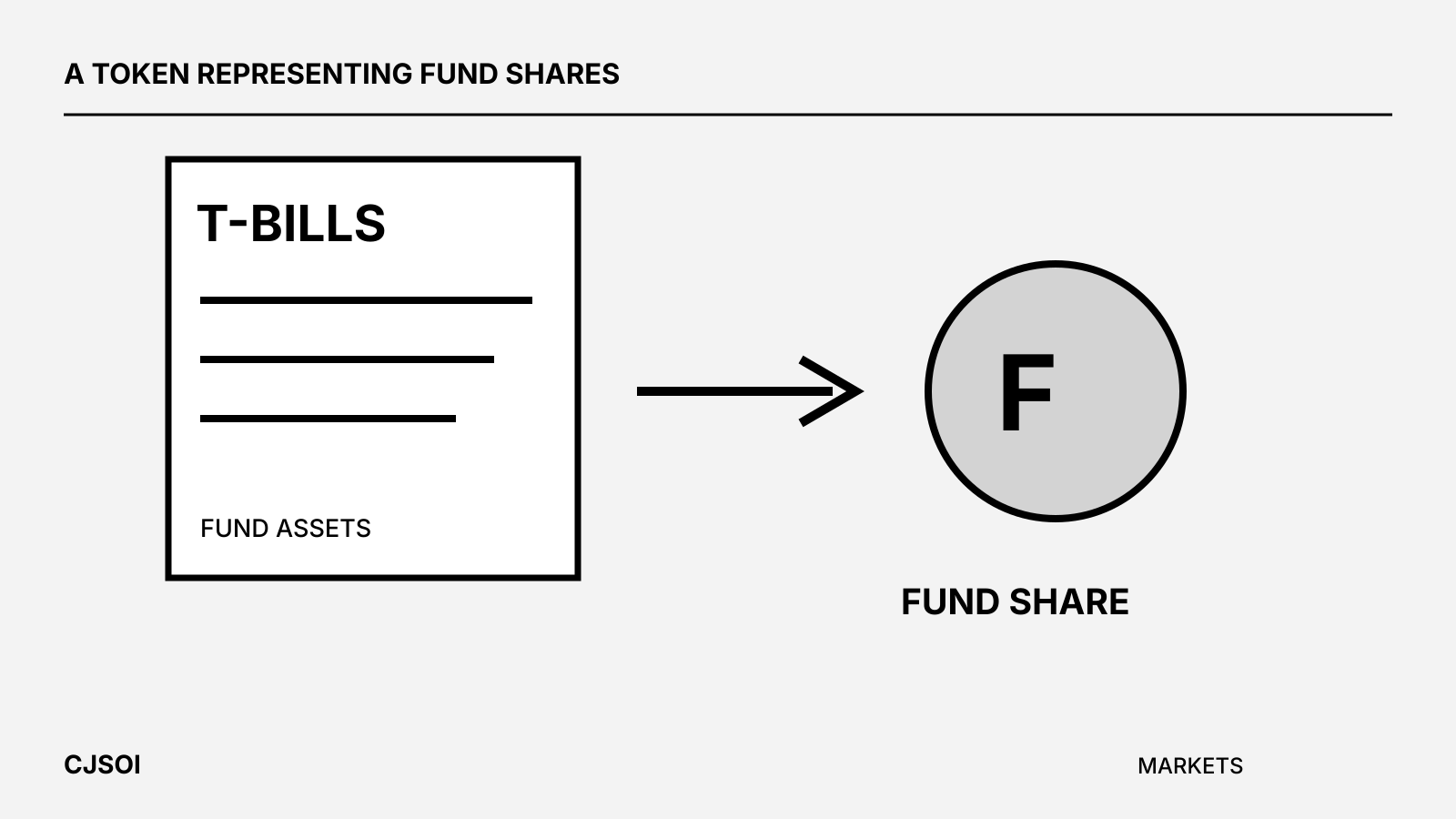
MoonPay and M0 introduced PYUSDx on February 27, offering infrastructure for developers to create application-specific stablecoins backed by PayPal USD. The proposal gives an application its own token while using PYUSD as the backing asset.
The announcement published by M0 draws an important distinction: PYUSDx is a tokenization and issuance framework offered by MoonPay Digital Assets Limited. Tokens created through it are not themselves PayPal USD issued by Paxos.
A branded token on top of an existing asset
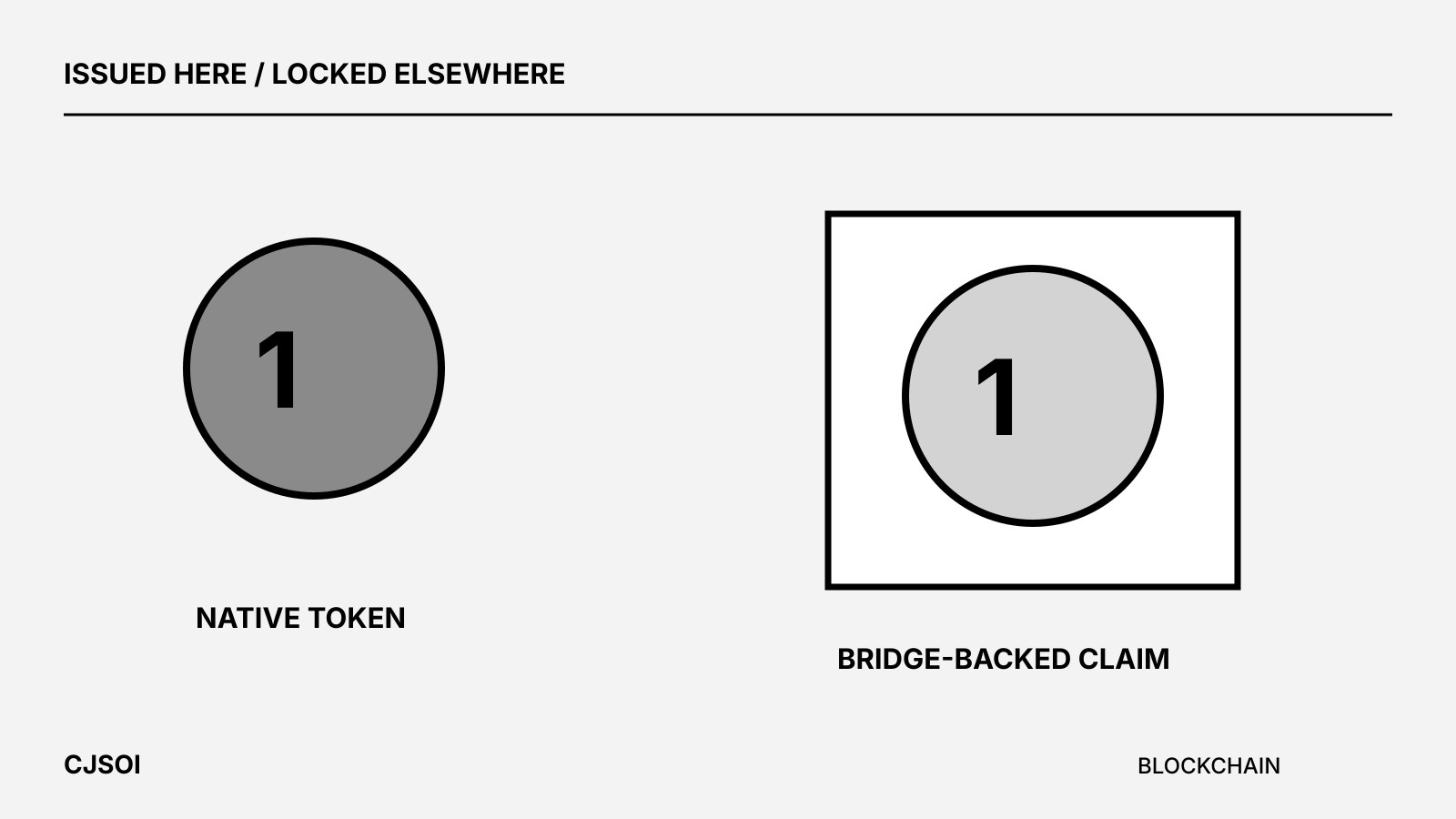
The platform combines M0’s token infrastructure with MoonPay’s issuance and distribution services. Its advertised features include cross-chain compatibility, onchain reserve reporting and tools intended to shorten the time needed to launch a token.
The companies say USD.ai is the first developer building on the framework, with an application-specific stablecoin for AI infrastructure.
That model adds a layer between the user-facing token and its backing asset. A developer can design a product around a particular application, but the token’s own issuer, redemption process and contractual terms remain important.
Claims that a token can be launched in days describe the platform providers’ intended speed of deployment. They do not prove that every implementation can satisfy its legal, operational and distribution requirements on that schedule.
PYUSD backing does not create PayPal account support
The release explicitly says PYUSDx tokens are not a PayPal product or service. They are not supported for storage, sending or receiving within PayPal or Venmo accounts, and cannot be used to transact on those platforms.
This is a practical limit, not a small branding qualification. Holding a token backed by PYUSD does not automatically give a user the same access or rights as holding PYUSD itself.
The announcement also says regulatory treatment varies by jurisdiction and implementation and is the issuer’s responsibility. Developers therefore need to evaluate the complete token arrangement, not just the name of the asset held behind it.