The New York Stock Exchange announced on January 19 that it is developing a platform for trading and onchain settlement of tokenized securities. The proposed venue would support round-the-clock trading, orders expressed in dollar amounts and stablecoin-based funding.
The announcement from parent company ICE says the platform will require regulatory approvals. It is a development plan, not a notice that the NYSE’s existing stock market has switched to 24/7 blockchain trading.
Matching orders and settling ownership
The design combines the NYSE’s Pillar matching engine with blockchain-based post-trade systems. ICE says it will be capable of supporting multiple chains for settlement and custody.
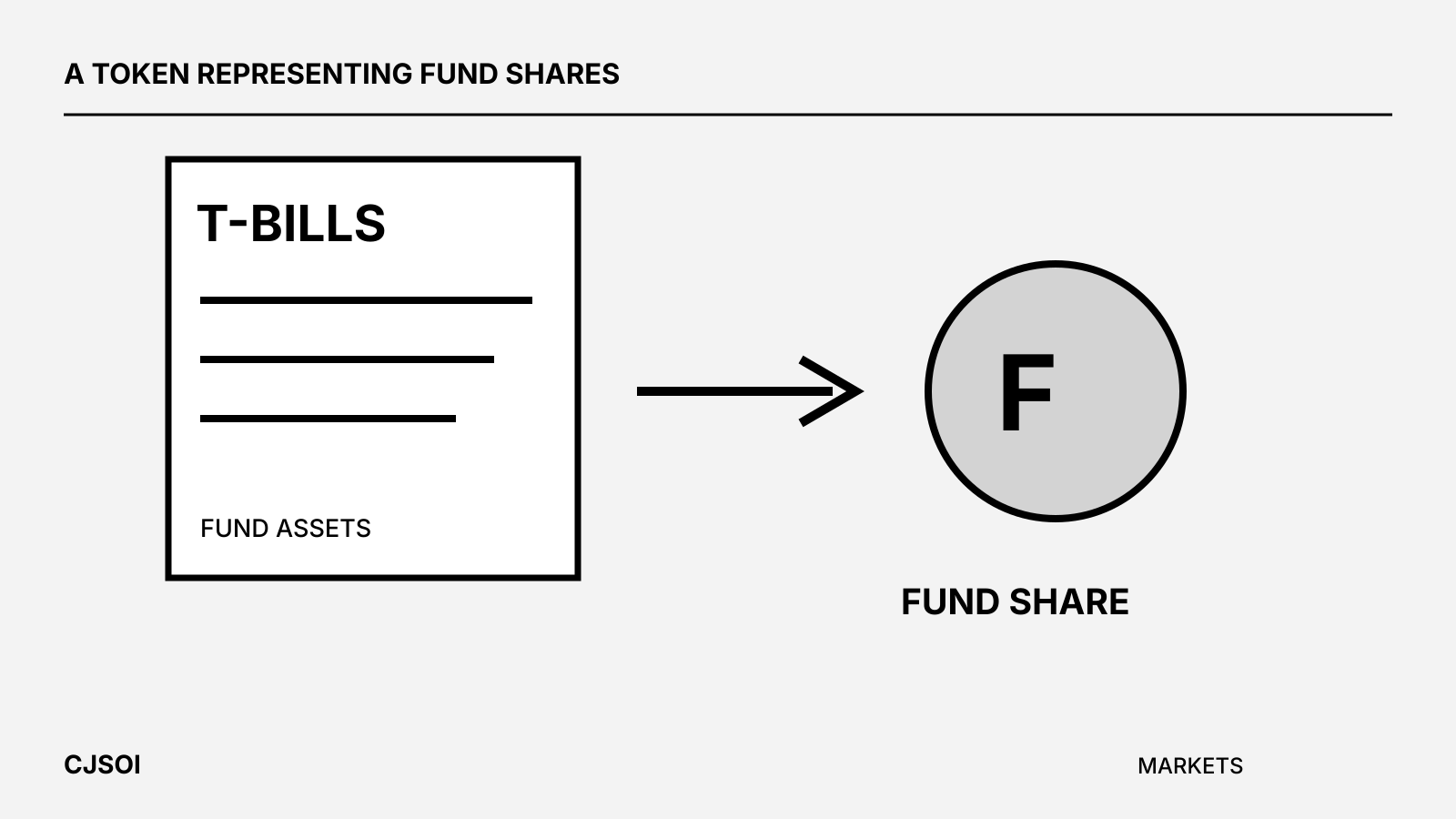
Subject to approval, the venue would support both tokenized shares that are fungible with traditionally issued securities and securities originally issued in digital form. The exchange says tokenized shareholders would retain traditional dividend and governance rights.
Those rights are central to what is being proposed. A token linked to a stock’s price is not necessarily the same instrument as a tokenized share carrying shareholder rights. The final product structure and rules will determine exactly what a holder owns.
Access is intended to be available to qualified broker-dealers on a non-discriminatory basis, consistent with the exchange’s stated market-structure approach.
Around-the-clock trading needs funding to match
ICE is also preparing its clearing infrastructure for longer operating hours and potential tokenized collateral. It says it is working with BNY and Citi on tokenized deposits across its clearinghouses.
The funding problem is straightforward: a market that remains open outside ordinary banking hours still needs participants to meet margin calls and move money. Extending the trading clock without addressing the money side would leave a gap in the operating model.
The January release outlines work on both sides, but it does not provide evidence of a fully launched venue. Approval, operating rules and implementation remain necessary before the proposed trading experience can be assessed in practice.