Keeta and LayerZero announced a partnership on July 23 to make bank-money tokens transferable across Keeta Network, Ethereum, Solana and Base. The companies describe the offering as a multicurrency cash-management system for institutions using public blockchains.
In the announcement, the products are called Keeta Stablecoins and are described as backed by commercial-bank deposits held through Bivo and its partner-bank network. That is the providers’ description of the backing arrangement.
One token framework across several chains
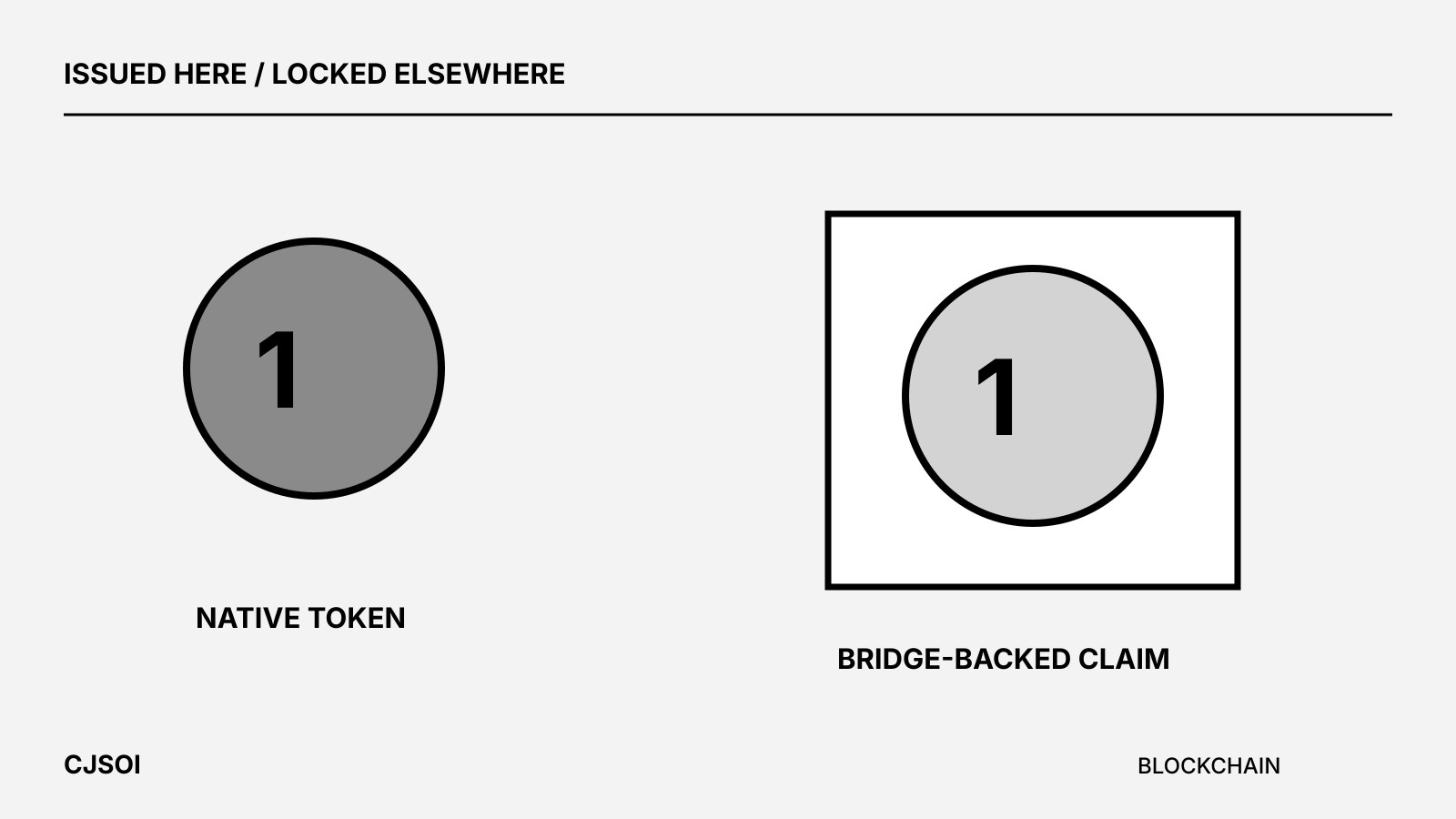
The design uses LayerZero’s Omnichain Fungible Token standard to distribute assets across supported networks while allowing the issuing institution to retain contract authority.
The intended benefit is access to the same financial instrument in the blockchain environment an institution already uses. An organization should not have to rebuild its entire application around a single chain merely to receive a payment asset.
Cross-chain support still needs to be evaluated as part of the complete system. The issuer’s controls, transfer rules and supported implementations remain relevant even when the token can appear on several networks.
Keeta also says it is integrating LayerZero as an anchor within Keeta Network. The announcement describes a technical partnership, not a claim that every bank has joined a common open network.
Currency rollout and holder rights remain distinct
The companies plan availability later in July in U.S. dollars and eight other currencies, including euros, yen, sterling and Canadian dollars. That timetable is a planned rollout at the announcement date.
A deposit-backed token’s name does not by itself establish that its holder has the same legal claim or insurance coverage as a direct depositor at a partner bank. Those details depend on the issuer and product documents.
The partnership release does not provide a full set of redemption terms, eligibility criteria or bank-by-bank protections. Those omissions should not be filled with assumptions based on the phrase bank money.
The confirmed development is an announced distribution and infrastructure arrangement, with named networks and planned currencies. Institutions considering it will need the actual issuance and redemption terms before assessing how it fits their treasury operations.