Federal Reserve researchers argue that banks’ earlier responses to money market funds and online payment platforms offer useful context for the rise of stablecoins. Their May 1 FEDS Notes article examines adaptation as well as the risk that business moves outside traditional deposit accounts.
The paper, by Sam Hempel, JP Perez-Sangimino and Jessie Jiaxu Wang, is staff analysis. It is not a new regulatory decision or an official guarantee about the future of bank funding.
Banks have responded to competing products before
The authors distinguish two earlier forms of competition. Money market funds attracted savings by offering market-based returns when banks faced restrictions on deposit interest. Online payment platforms competed for transactions and customer relationships.
Banks responded with product changes, partnerships, industry services and efforts to change regulation. The paper argues that the eventual outcome was often coexistence: new competitors remained, while banks adapted and continued lending and providing payment services.
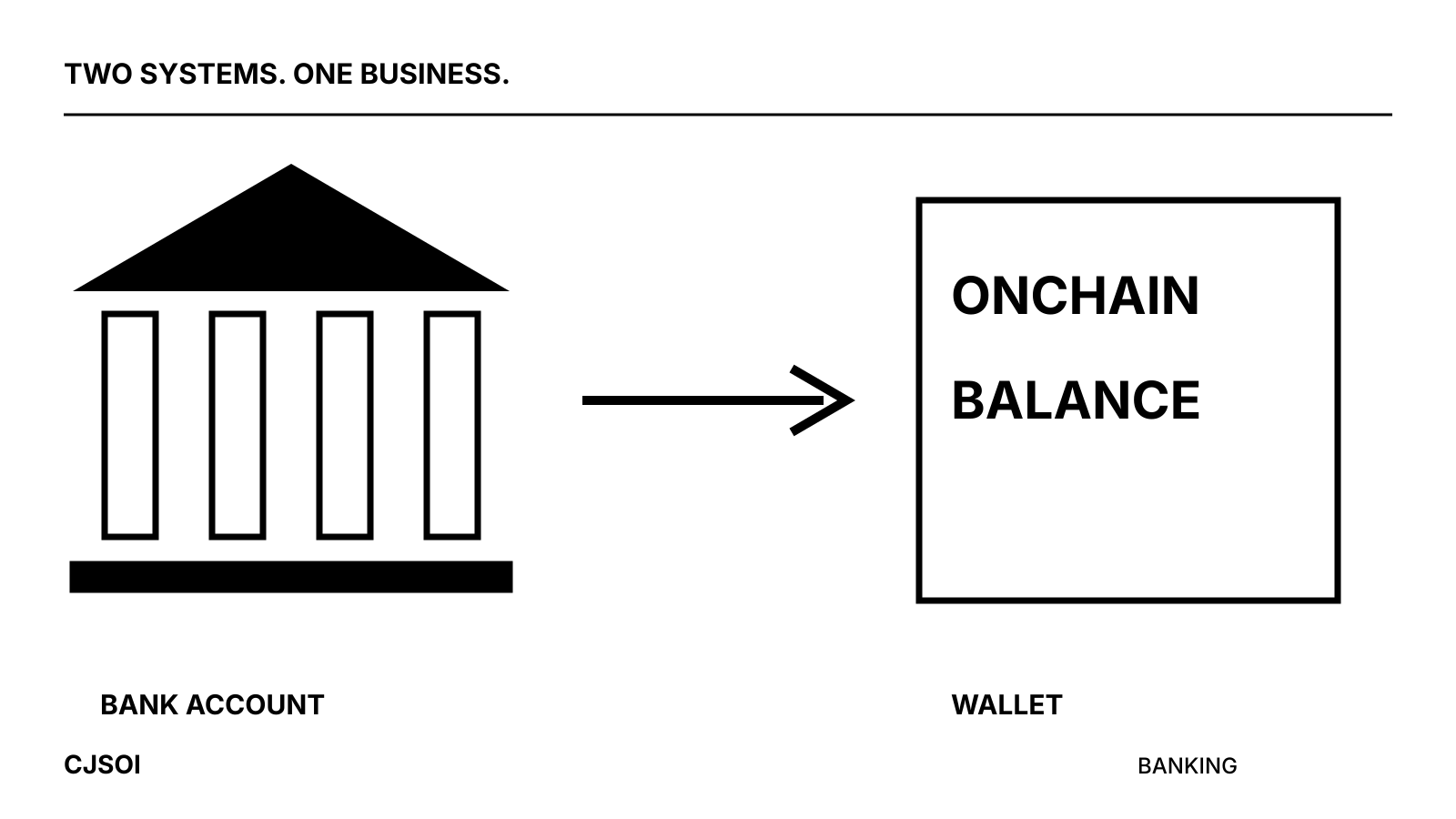
Stablecoins combine elements of both challenges. They can hold a balance outside a conventional customer deposit account and offer a digital way to transfer it. Their programmability and cross-border reach add features that do not map perfectly onto the historical examples.
The comparison therefore provides a framework, not a prediction that history must repeat exactly.
Reserve placement affects the funding story
A dollar moving from a customer’s account into a stablecoin does not necessarily disappear from the banking system. The authors explain that an issuer may place reserves at banks, or that proceeds from securities purchases may return through dealers’ bank accounts.
Even when total deposits do not fall one-for-one, their composition can change. A bank may lose dispersed customer balances while another receives more concentrated funding from a stablecoin issuer.
That changes the question from a simple count of dollars to the stability, concentration and price of funding. The paper identifies tokenized deposits, reserve services and custody among the ways banks are responding.
Its conclusion is conditional: outcomes depend on stablecoin scale, reserve arrangements and the regulatory design. Adaptation does not eliminate operational risk or the possibility of rapid redemptions.