The Bank of England published a consultation on November 10 setting out how it proposes to regulate sterling stablecoins that become important to the UK’s payment system. The scope is systemic use, including widespread retail or corporate payments, rather than every token used in crypto trading.
The consultation paper combines reserve requirements with proposed limits on holdings. It is a policy proposal open to feedback, not a statement that the final regime has already taken effect.
A mix of central-bank money and government debt
Under the main proposal, at least 40% of backing assets would be held as unremunerated deposits at the Bank of England. Up to 60% could be invested in short-term, sterling-denominated UK government debt.
The Bank says central-bank deposits would help issuers meet redemptions in normal conditions and during stress. It is also considering a liquidity backstop for eligible, solvent and viable issuers that need to turn securities into cash.
A proposed step-up arrangement would allow some issuers recognized as systemic at launch to hold up to 95% of reserves in qualifying government debt while they grow. That allowance would move toward the standard mix as the issuer’s scale and risks increase.
For issuers, the mix affects both ready access to cash and the income available from reserve assets. The consultation explicitly considers the tension between financial resilience and a viable business model.
Holding limits and divided responsibilities
The proposed regime includes per-coin limits of £20,000 for individuals and £10 million for businesses, with possible exemptions for businesses whose normal operations require larger balances.
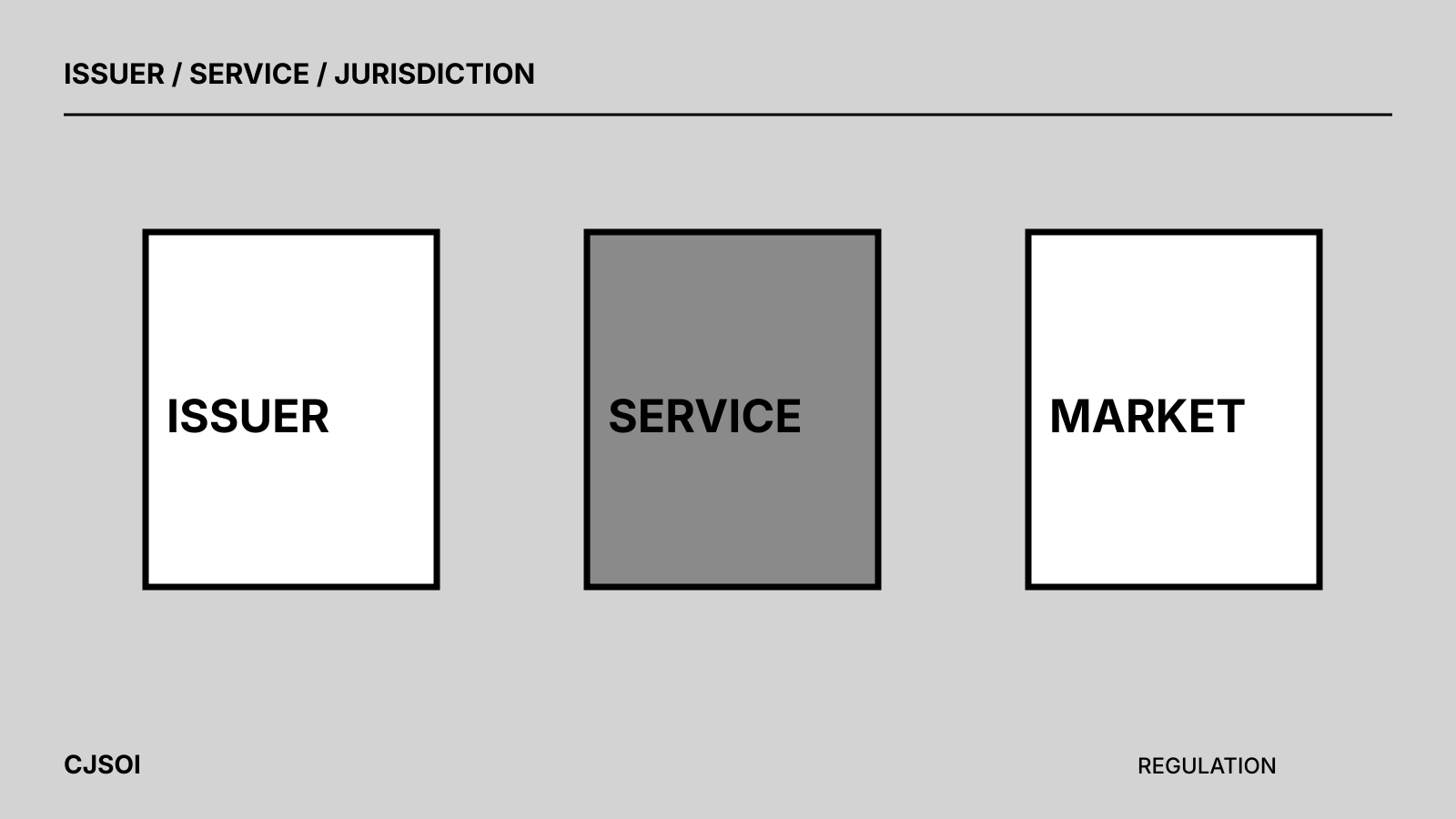
HM Treasury would decide which payment systems or service providers are recognized as systemic. Recognized stablecoin issuers would come under joint Bank of England and Financial Conduct Authority regulation. Other qualifying stablecoins would remain within the FCA’s separate remit.
That boundary matters: a rule proposed for a widely used payment stablecoin should not automatically be applied to every digital asset or every stablecoin activity.